
IEEE-1588 PTP Gran Maestro - DTS 4160

IEEE-1588 PTP Gran Maestro - DTS 4160

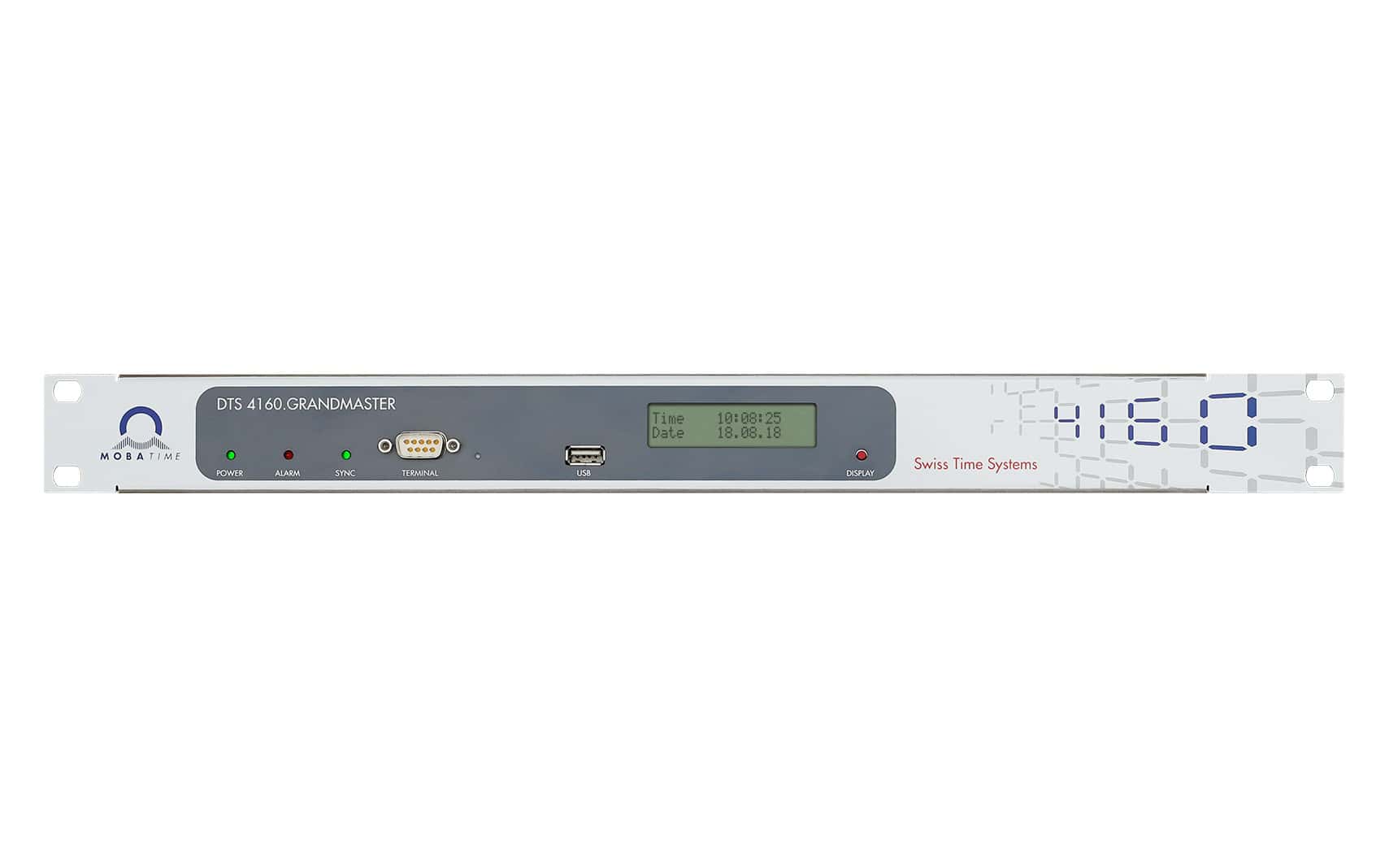
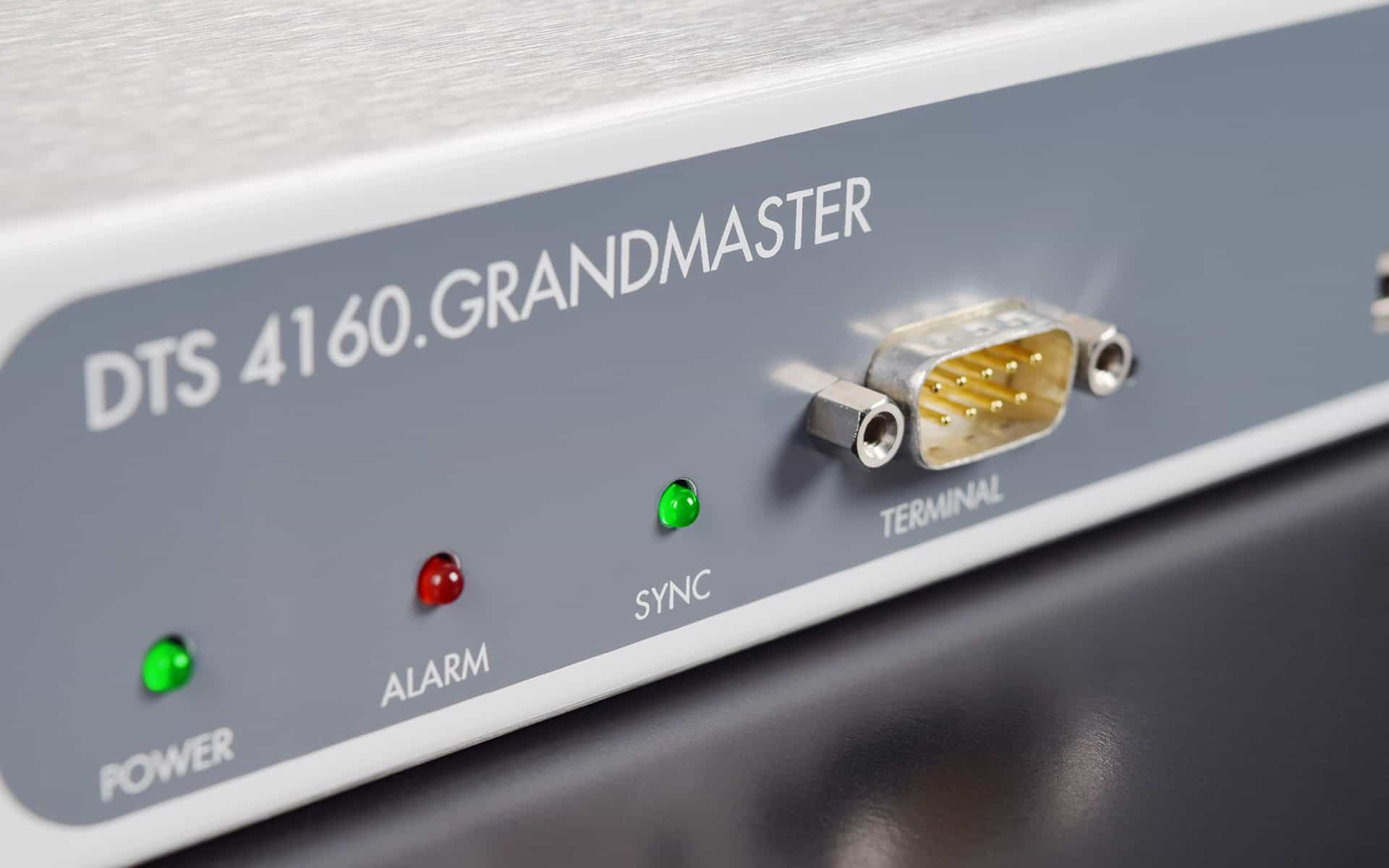
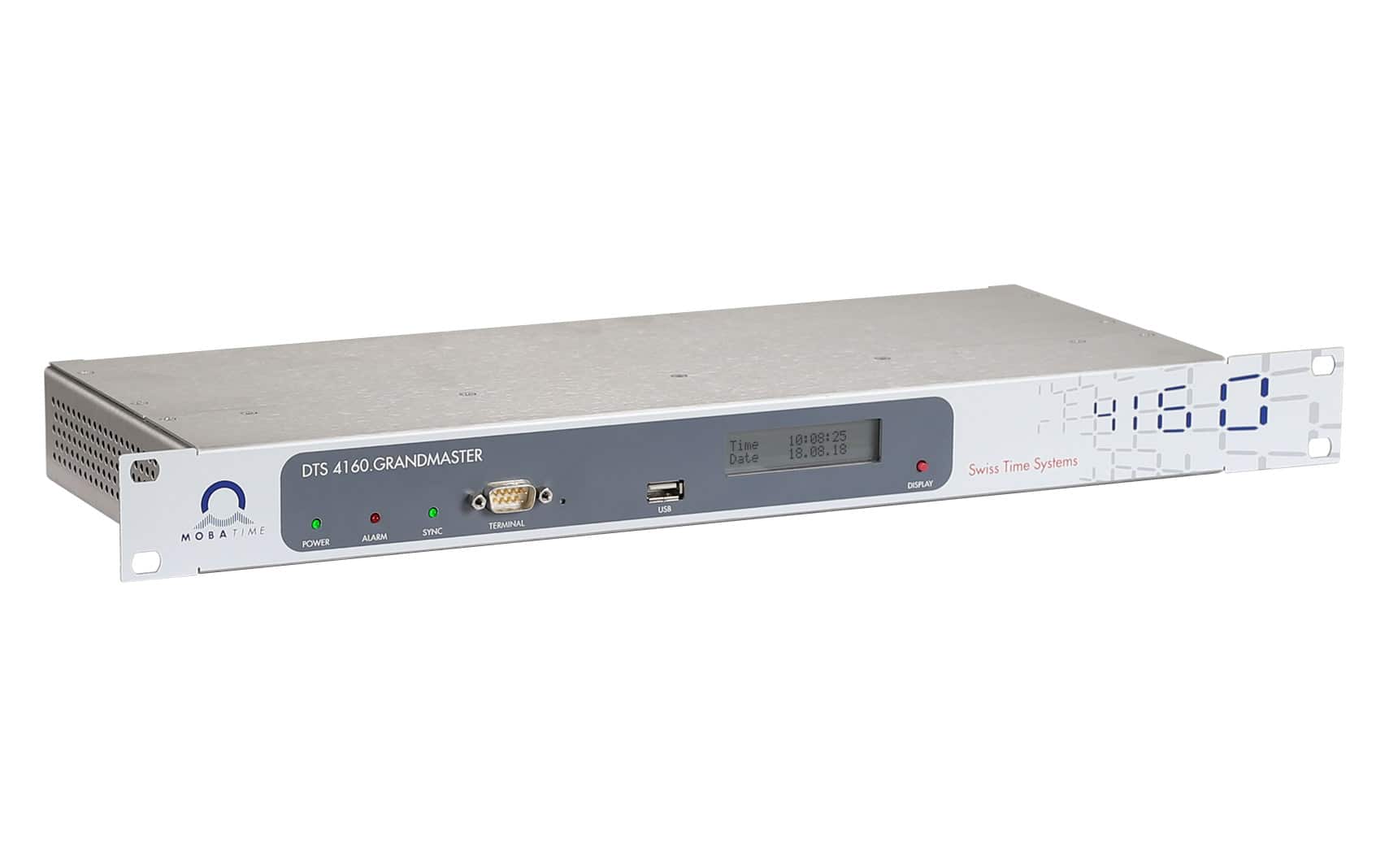
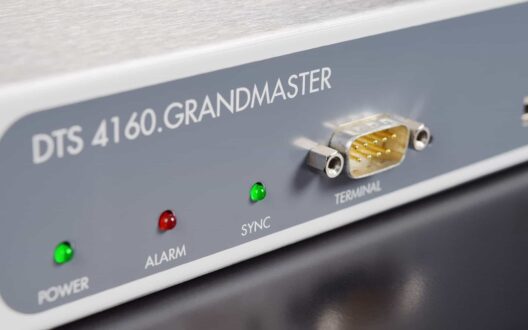
El DTS 4160 es un dispositivo combinado de distribución y sincronización horaria con hasta 4 puertos de red (IPv4/IPv6). Proporciona una referencia horaria para clientes PTP y NTP. Con su alta precisión y su concepto inteligente de funcionamiento redundante, ofrece un alto grado de fiabilidad y disponibilidad

PTP GRANDMASTER
El DTS 4160 es un gran maestro PTP según IEEE 1588-2008 / PTPv2, con compatibilidad IEEE 1588-2019 / PTPv2.1, para la sincronización de clientes de alta precisión. Utilizable para telecomunicaciones (por ejemplo, LTE), energía (por ejemplo, red inteligente), automatización, etc.

SERVIDOR NTP DE ALTO RENDIMIENTO
El DTS 4160 puede responder a más de 10’000 solicitudes NTP y SNTP por segundo (hasta 600’000 clientes dependiendo de la configuración del cliente NTP).

REDUNDANT LINK
Para una disponibilidad máxima, se pueden conectar dos DTS 4160 para ofrecer un funcionamiento redundante maestro-esclavo con conmutación automática en caso de error. También es posible una fuente de alimentación redundante.

ALTA PRECISIÓN
El DTS 4160 puede recibir todas las señales GNSS (GPS, Galileo, GLONASS, BeiDou), lo que garantiza la máxima precisión y disponibilidad. Para mayor seguridad GNSS, pueden utilizarse varias constelaciones en paralelo.

MONITORIZACIÓN DE SEGURIDAD GNSS Y FIREWALL DE SEÑALES
Con la función opcional de seguridad GNSS de licencia única, el DTS 4160c (Rubidio) integra GIDAS Embedded para proporcionar una sólida protección de la capa de RF. El sistema detecta las anomalías GNSS, incluidos los intentos de interferencia y suplantación, en tiempo real, bloqueando las señales comprometidas y garantizando una temporización segura y fiable para las infraestructuras críticas.

SERVICIOS DE RED
El DTS 4160 ofrece servicios de red de última generación como VLAN, agregación de enlaces y enrutamiento estático.

OPCIONESDE OSCILADOR
El DTS 4160 ofrece diferentes opciones de oscilador para un rendimiento de holgura avanzado.

SALIDASLEGACY
El DTS 4160 admite salidas legacy como IRIG, E1, DCF, etc.

Mostrar más
Tipo de oscilador:Rubidio / OCXO
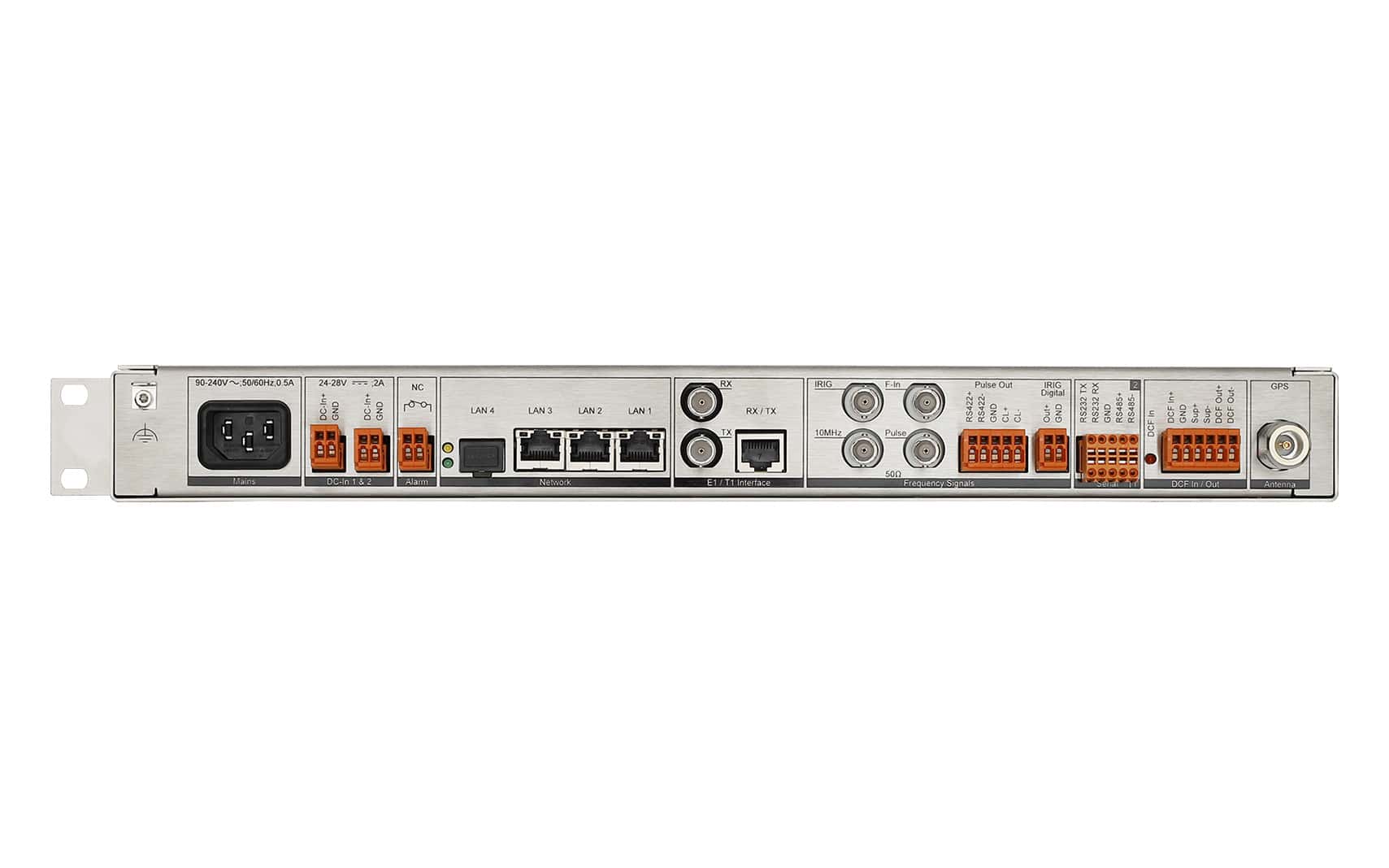
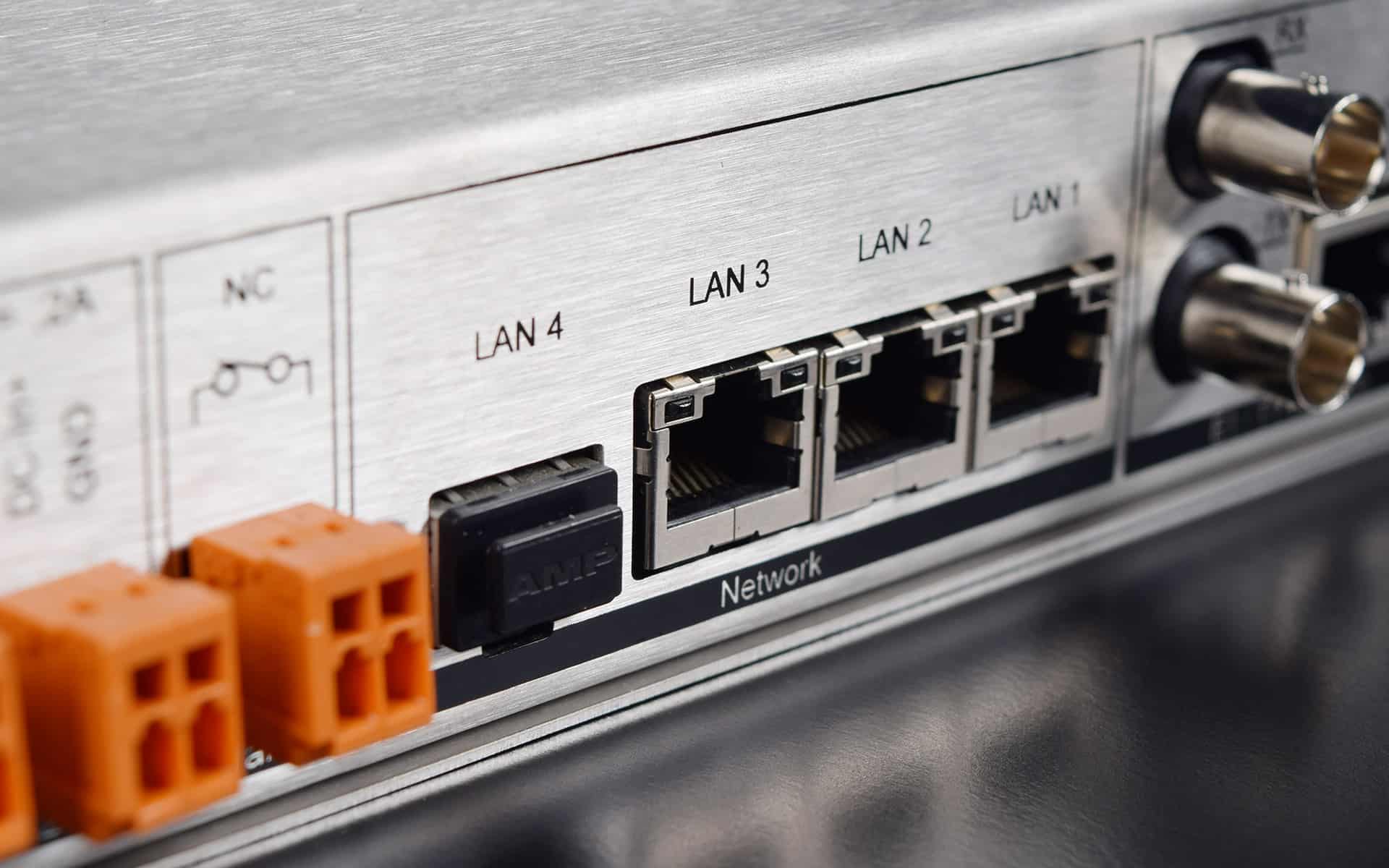
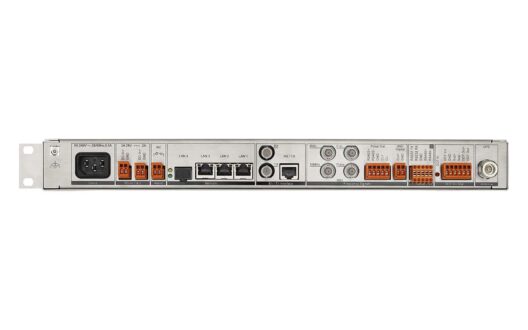
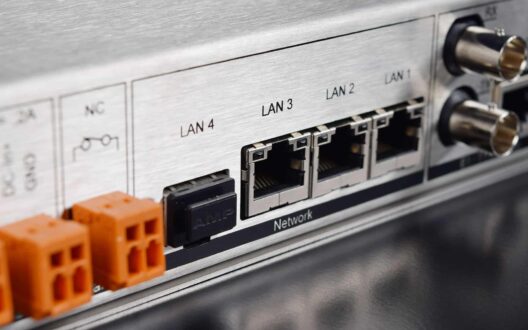
4 puertos LAN completamente separados (3x RJ45, 1x SFP):proporciona PTP en 3 puertos maestro o esclavo de 1 y 2 pasos, diferentes perfiles y dominios por puerto, multidifusión/unidifusión, IPv4/IPv6/Capa 2, proporciona NTP en 4 puertos (<10'000 peticiones/s en los 4 puertos combinados)
Salidas:1x E1 RJ48 (equilibrado) o BNC (no equilibrado), 2x salidas de pulso/frecuencia/10MHz, 1x IRIG-B / AFNOR, 2x salida serie, 1x salida de bucle de corriente DCF
Hora de alta precisión:Recepción horaria de GPS, GLONASS o Beidou, oscilador disciplinado GPS (GPSDO)
Redundancia:funcionamiento maestro-esclavo con conmutación automática en caso de error
Mostrar más
Configuración IPDHCP, DHCPv6, IP estática, Autoconfiguración
Alimentación90-240 VCA u 80-240 VCC, 0,5 A; 2x 24-28 VCC, 2 A (redundante, supervisado)
PrecisiónTiempo de GNSS a interno: < +/- 30 ns, Tiempo de conexión redundante a interno: < +/- 50 ns, Tiempo de PTP a interno: < +/- 200 ns, Tiempo de DCF a interno (con GNSS 4500): < +/- 200 ns (después de compensar el desfase del fix)
OperaciónMOBA-NMS, Telnet, SSH, SNMP (V1/V2c/V3 get, put), RS 232 (terminal)
Mostrar más

Both, PTP and NTP provides time synchronization over a packet based network. But not both protocols are dedicated to the same application fields. It depends on the system’s needs, which of the protocol is preferred.

PTP is needed where a higher level of precision is required (e.g. Telecom, Power distribution, Air traffic control etc.) With PTP sub microsecond or even nanosecond accuracies are feasible, whereas NTP only reaches millisecond level. The key of PTP is hardware timestamping. Only if the timestamping happens close to the wire, it is possible to reach this high level of accuracy. The drawback of it is the need for dedicated hardware and an engineered network.

NTP is an old Internet protocol which is still widely used to distribute time (e.g. clock systems or IT Networks). NTP provides a simple way to synchronize all device over a regular network and even over internet. To ensure a reliable time in a local network, the best solution is to place an NTP server, which is connected to a GNSS Antenna, into the network. Whereas time is needed for clocks, access control systems and other such systems the accuracy of NTP is sufficient. The benefit of NTP is it’s robustness and it’s ability to run on a standard IT equipment.

If you need further information on this topic, please do not hesitate to contact us. We would be pleased to support you.

PTP is the «Precision Time Protocol», which is defined in IEEE 1588. In contrast to NTP, this is a network protocol, which is characterized by significantly higher accuracies (down to the nanosecond range) and is usually used in locally limited networks (e.g. measurement / control / regulation technology, automation technology, etc.).


In the foreground is not the absolutely correct time information, but rather the high-precision “clocking” of interconnected devices in such industrial or computer networks. In connection with the PTP network organization and clock types, one speaks initially of Grandmaster Clocks (best possible reference device) and Boundary Clocks (devices with master and slave function), whose role distribution is determined using the best Master Clock algorithm. On the other hand, clearly defined roles are assigned to the ordinary clocks (either as master or clients), so-called transparent clocks then only forward the PTP time stamp when corrected. The runtime correction is ensured using complex computing algorithms. So it is not the case that one procedure is to be replaced by the other: NTP and PTP have different functional focuses, which is why both will continue to have authorization in the future and can also be used in parallel in computer networks if necessary.