
Servidor de tiempo NTP - NTS

Servidor de tiempo NTP - NTS

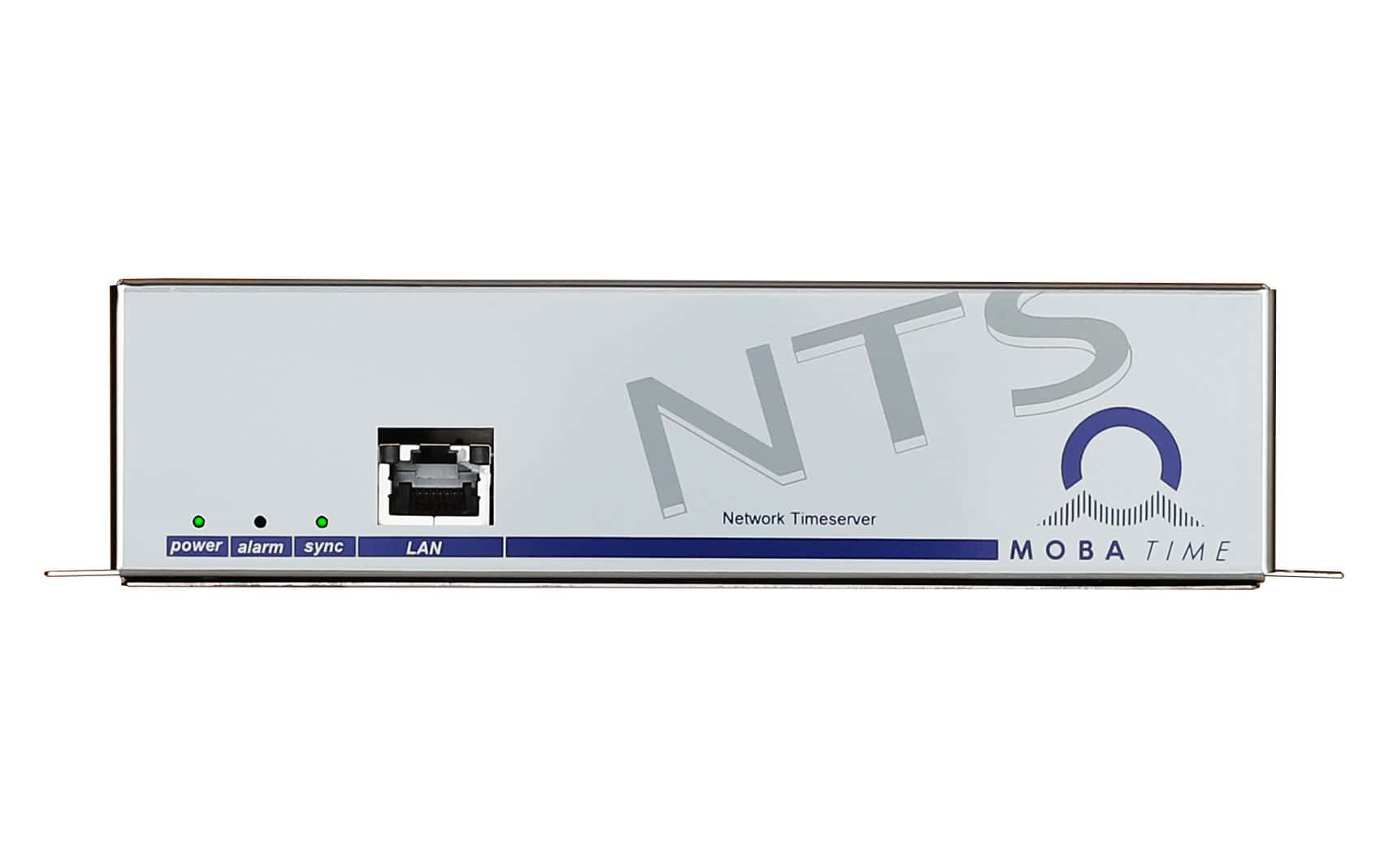
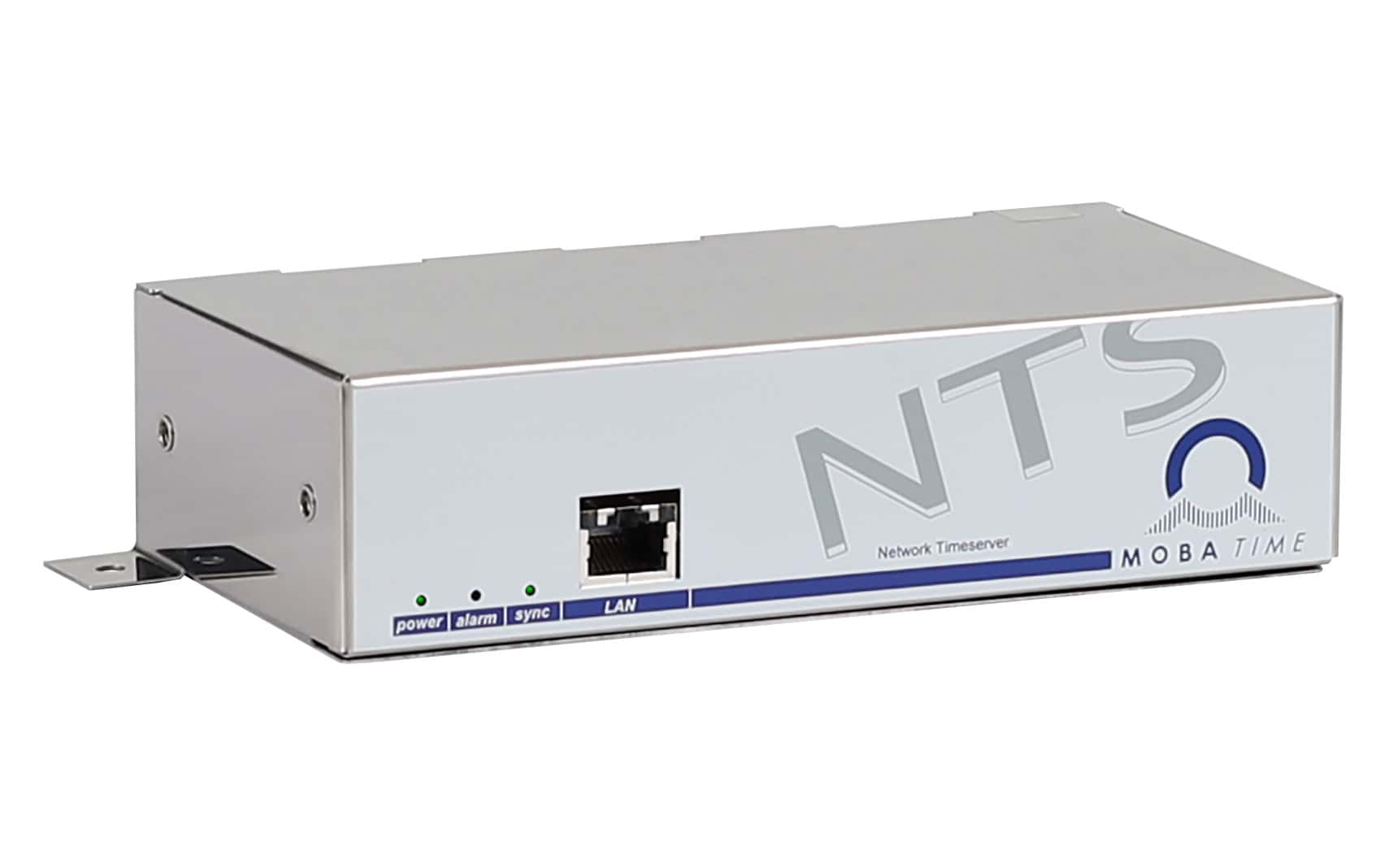
El NTS es un servidor de tiempo para su uso en entornos de red. Puede sincronizarse mediante NTP, pero también actuar como servidor NTP. Además, puede leer la hora desde DCF o GPS (por ejemplo, desde GPS 4500). La versión NTS IT garantiza la máxima seguridad de funcionamiento para la sincronización horaria de los sistemas informáticos.

Tipo de oscilador:XO
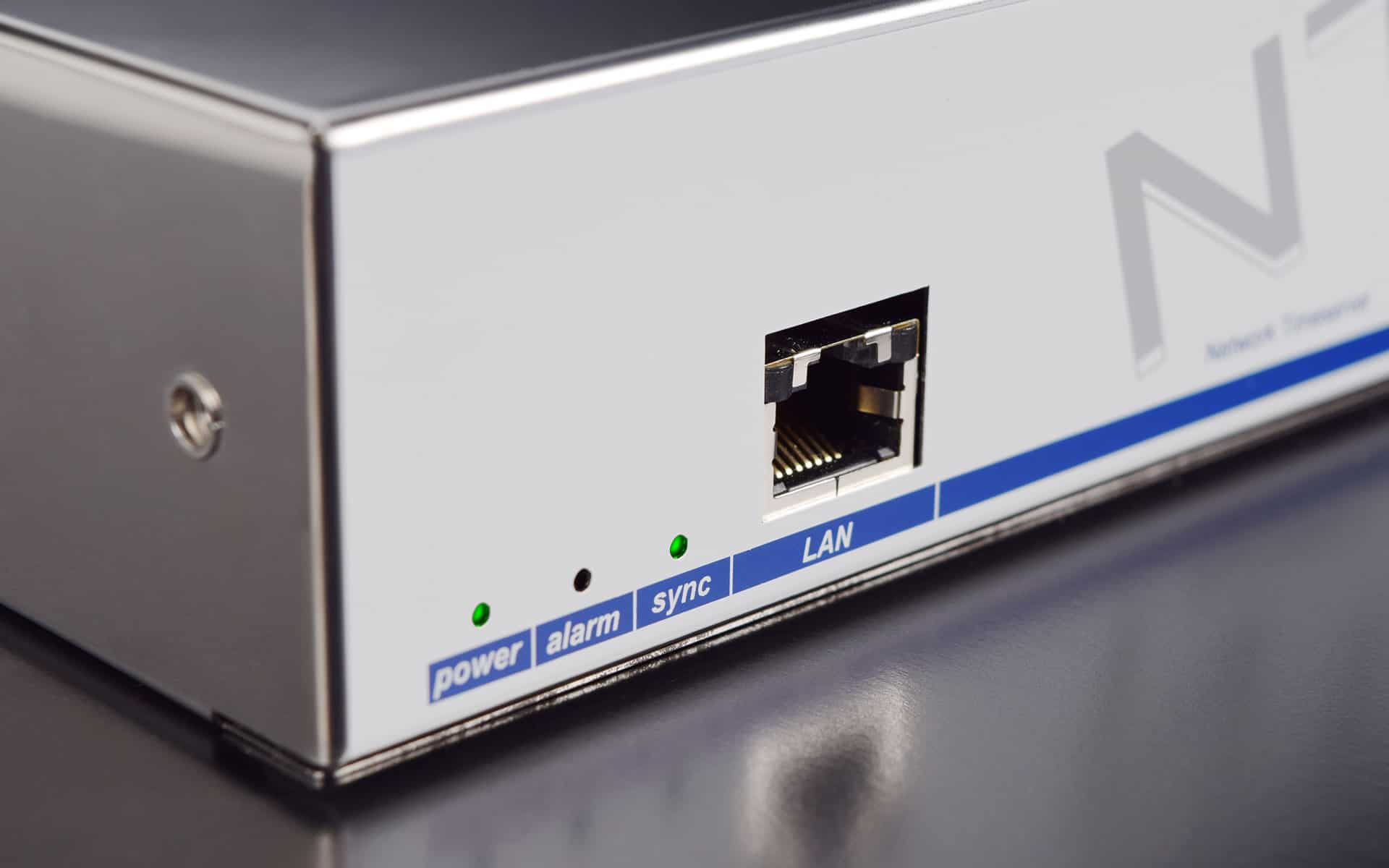
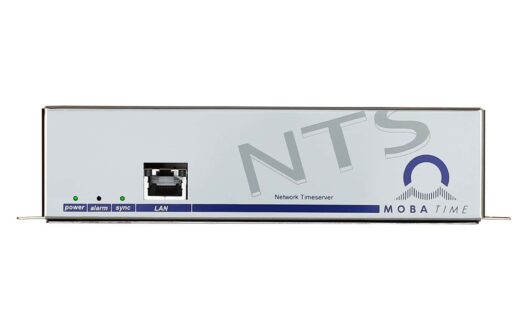
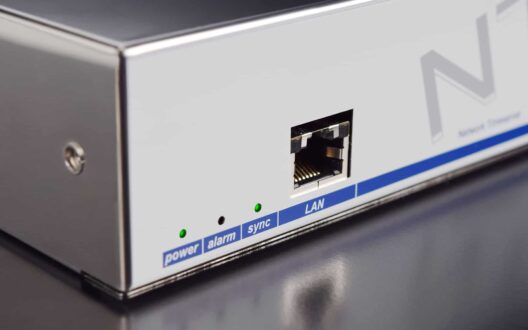
1 puerto LAN (RJ45):proporciona NTP (< 250 peticiones/s)
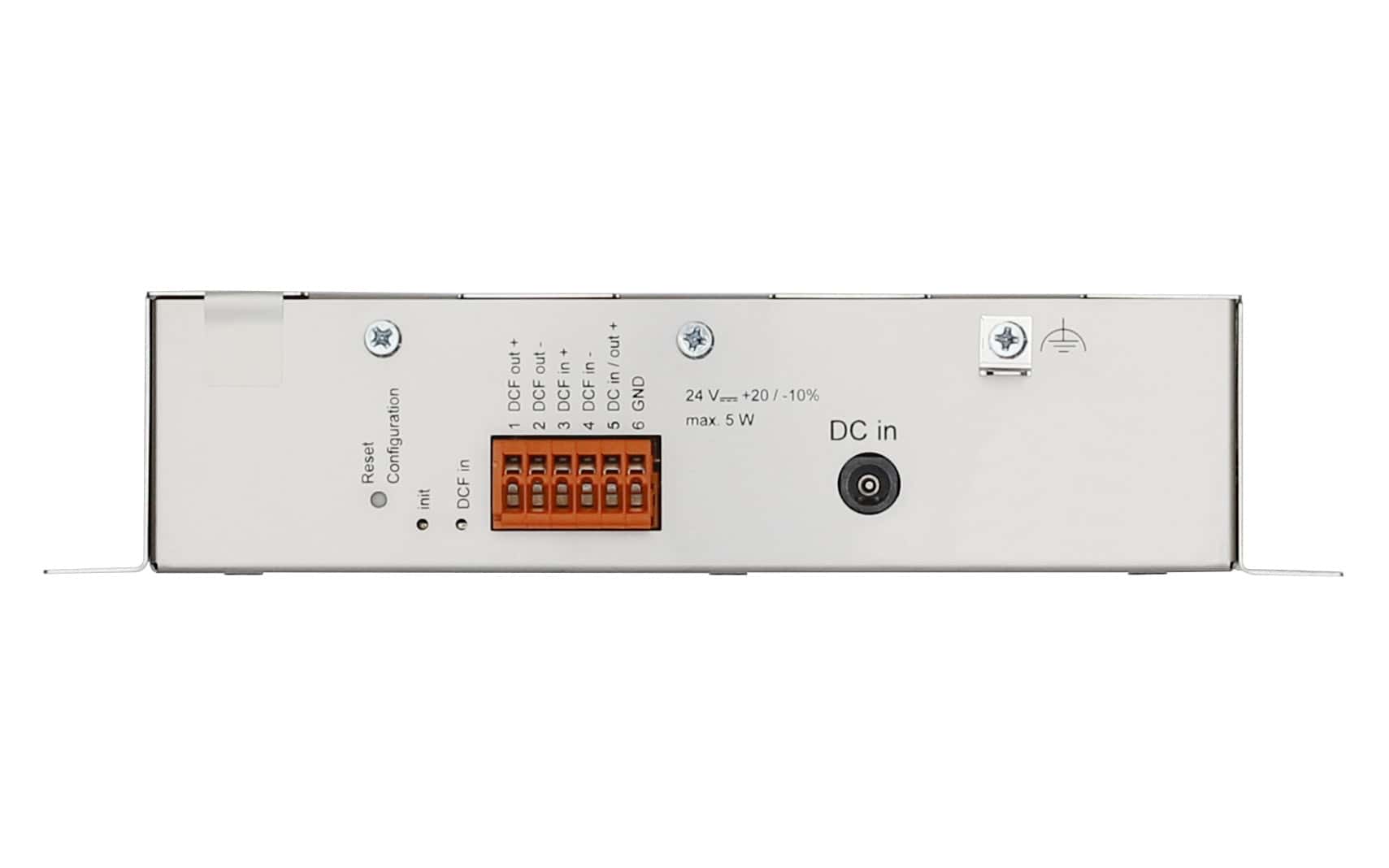
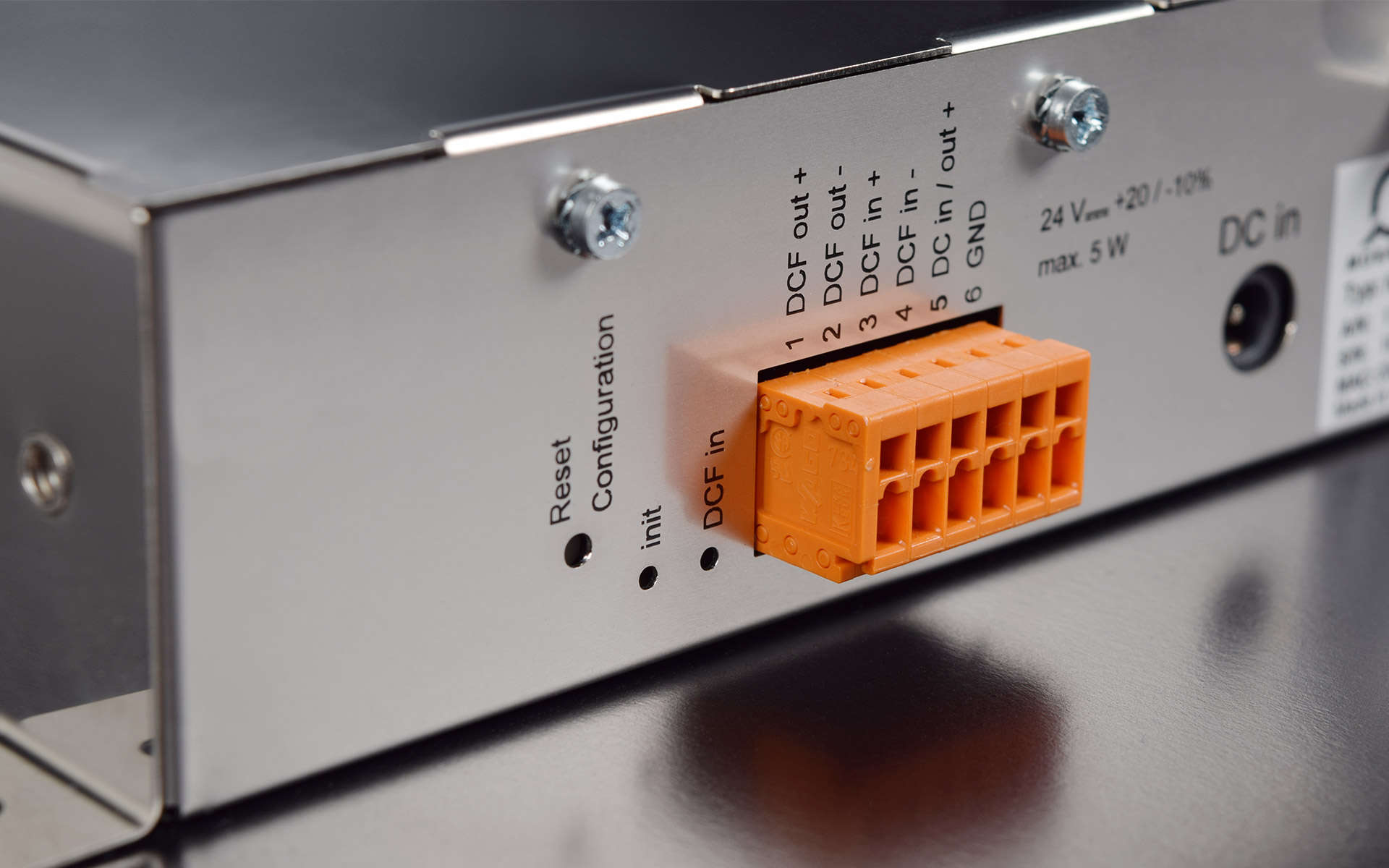
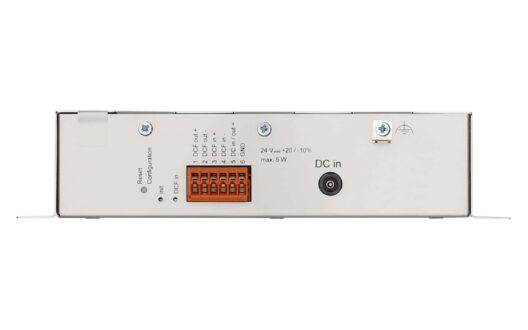
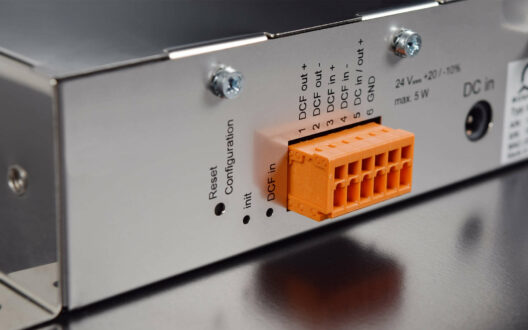
Salidas:1x salida de bucle de corriente DCF
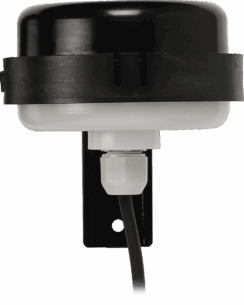
Hora de alta precisión:Recepción horaria del GPS o DCF
Operación:a través de la interfaz web
Mostrar más
Configuración IPIPv4: IP estática; IPv6: DHCPv6, autoconfiguración, IP estática
AlimentaciónFuente de alimentación externa incluida en el suministro 100 - 240 VCA / 50-60 Hz / máx. 12 W o 24 - 28 V CC / 200 mA
PrecisiónGPS (entrada DCF) a servidor NTP = típicamente < ± 0,5 ms
OperaciónTelnet o SSH, interfaz web o funcionamiento a través de SNMP
CronometrajeRTC con mantenimiento de la hora durante min. 5 días (sin batería)
Mostrar más
Servidor horario de red NTS


GNSS stands for Global Navigation Satellite System, and is an umbrella term that encompasses all global satellite positioning systems. This includes several constellations of satellites orbiting over the earth’s surface and continuously transmitting signals providing an autonomous geo-spatial positioning with global coverage.

The GPS constellation (developed and controlled by the USA) is still the most widely used GNSS in the world but major countries have now developed their own constellation: Glonass (Russia), Beidou (China), and Galileo (Europe) with improved accuracy

GNSS is used in collaboration with GPS systems where all GNSS receivers are compatible with GPS, but GPS receivers are not necessarily compatible with GNSS.

A GPS receiver has been designed to receive the GPS constellation only (24 satellites) when GNSS-compatible equipment can use navigational satellites from other networks (each network is controlling between 24 and 30 satellites). It is therefore recommended to use GNSS receivers for positioning and timing applications.

SNTP (Simple Network Time Protocol) and NTP (Network Time Protocol) are describing exactly the same network package format, the differences can be found in the way how a system deals with the content of these packages in order to synchronize its time. They are basically two different ways of how to deal with time synchronization.


While a full featured NTP server or -client reaches a very high level of accuracy and avoids abrupt timestamps as much as possible by using different mathematical and statistical methods and smooth clock speed adjustments, SNTP can only be recommended for simple applications, where the requirements for accuracy and reliability are not too demanding.


By disregarding drift values and using simplified ways of system clock adjustment methods (often simple time stepping), SNTP achieves only a low quality time synchronization when compared with a full NTP implementation. SNTP version 4 is defined in RFC2030, where it reads:


«It is strongly recommended that SNTP be used only at the extremities of the synchronization subnet. SNTP clients should operate only at the leaves (highest stratum) of the subnet and in configurations where no NTP or SNTP client is dependent on another SNTP client for synchronization. SNTP servers should operate only at the root (stratum 1) of the subnet and then only in configurations where no other source of synchronization other than a reliable radio or modem time service is available. The full degree of reliability ordinarily expected of primary servers is possible only using the redundant sources, diverse subnet paths and crafted algorithms of a full NTP implementation.»


Therefore the term «NTP time server» or «NTP compatible client» can – by definition – describe a system with a fully implemented NTP as well as any other product which uses and understands the NTP protocol but achieves far worse levels of reliability, accuracy and security.