
IEEE-1588 PTP Grandmaster - DTS 4160

IEEE-1588 PTP Grandmaster - DTS 4160

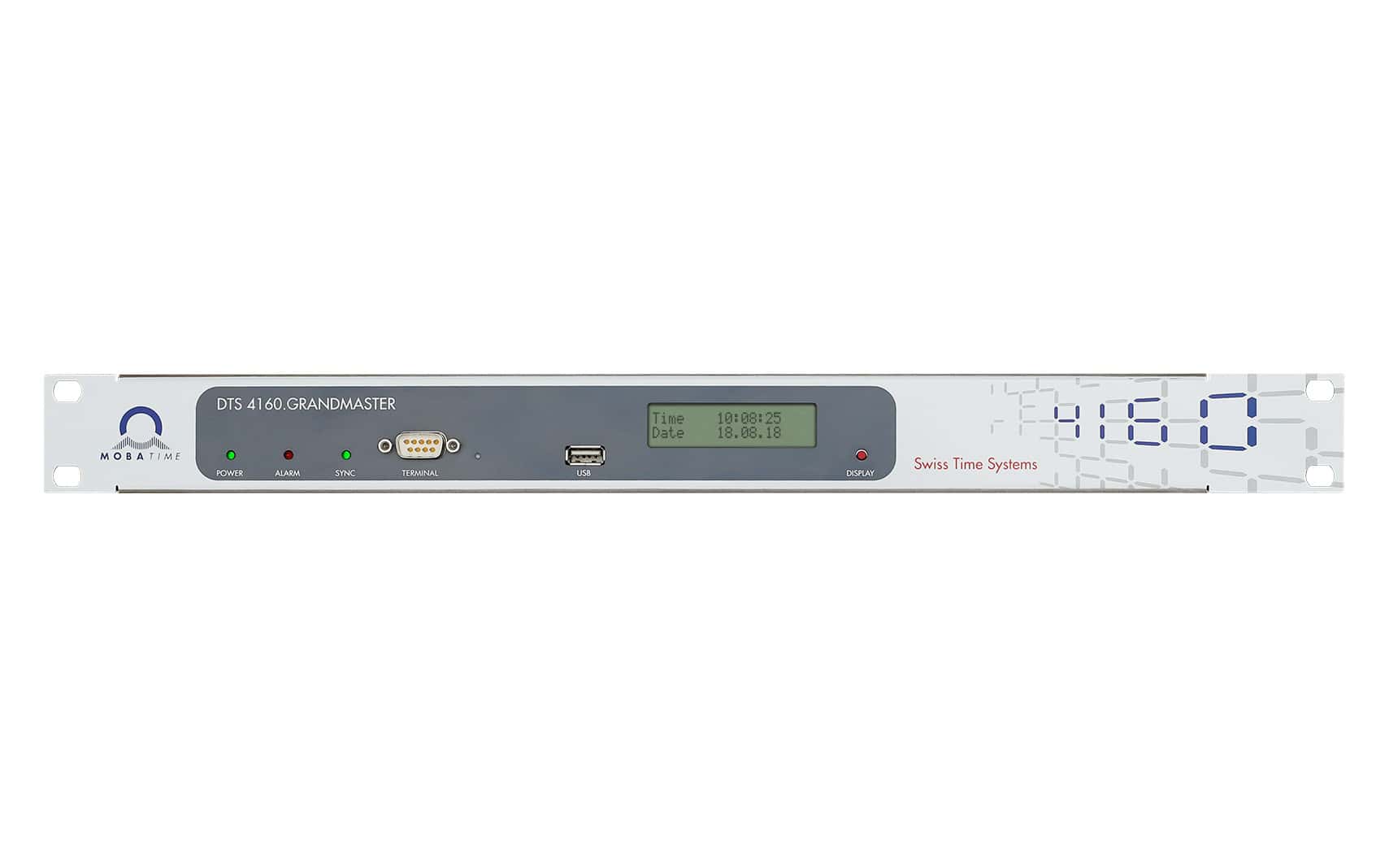
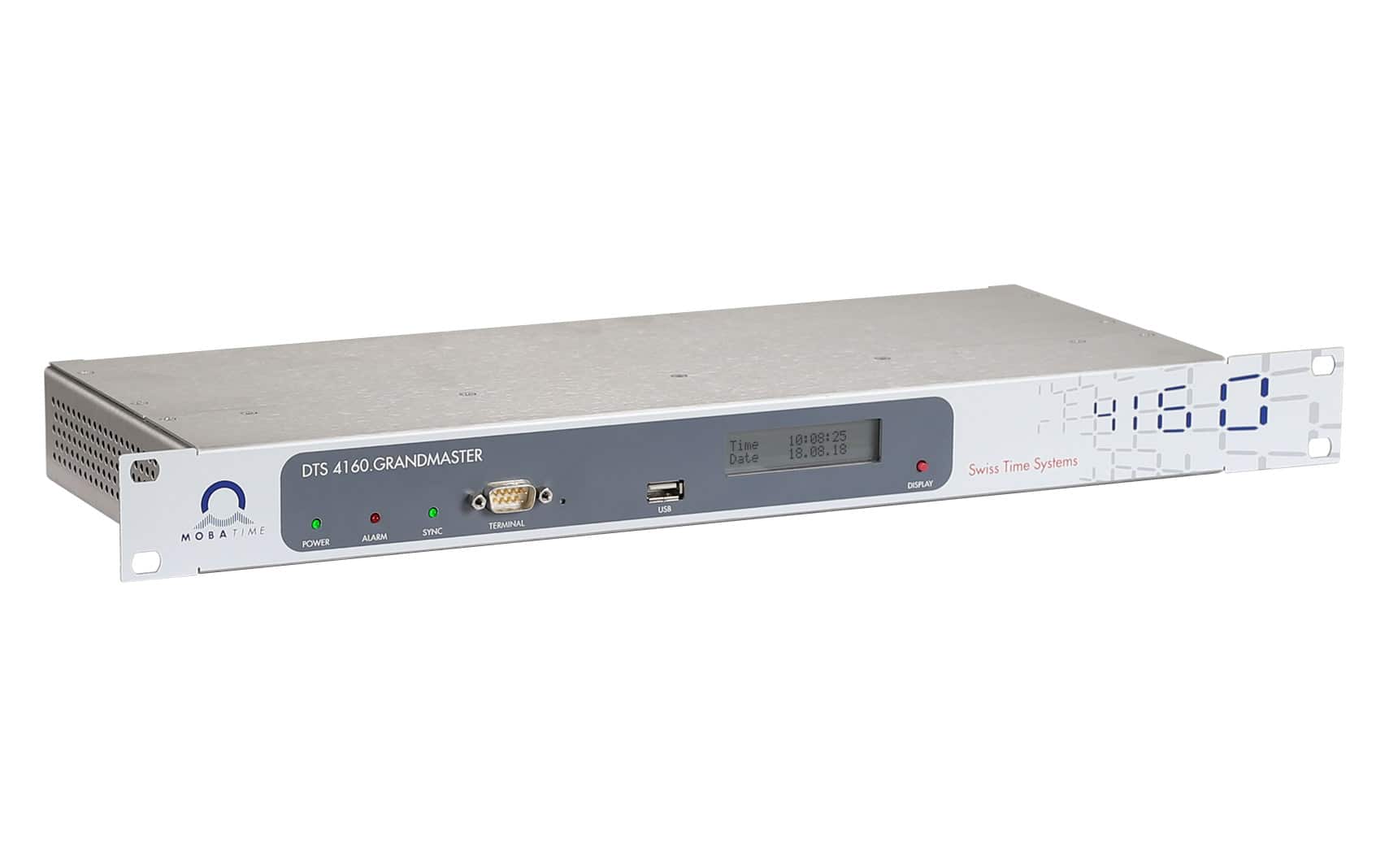
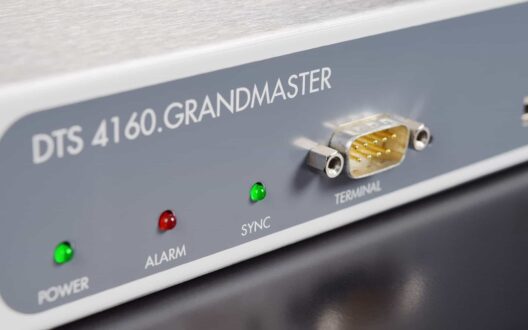
Le DTS 4160 est un dispositif combiné de distribution et de synchronisation de l’heure avec jusqu’à 4 ports réseau (IPv4/IPv6). Il fournit une référence temporelle aux clients PTP et NTP. Grâce à sa haute précision et à son concept intelligent de fonctionnement redondant, il offre un haut degré de fiabilité et de disponibilité.

PTP GRANDMASTER
Le DTS 4160 est un grand maître PTP conforme à la norme IEEE 1588-2008 / PTPv2, avec compatibilité IEEE 1588-2019 / PTPv2.1, pour la synchronisation de clients très précis. Utilisable pour les télécommunications (par ex. LTE), l’énergie (par ex. smart grid), l’automatisation, etc.

SERVEUR NTP HAUTE PERFORMANCE
Le DTS 4160 peut répondre à plus de 10’000 requêtes NTP et SNTP par seconde (jusqu’à 600’000 clients selon la configuration du client NTP).

REDONDANT LINK
Pour une disponibilité maximale, deux DTS 4160 peuvent être connectés pour offrir un fonctionnement maître-esclave redondant avec commutation automatique en cas d’erreur. Une alimentation redondante est également possible.

HAUTE PRÉCISION
Le DTS 4160 peut recevoir tous les signaux GNSS (GPS, Galileo, GLONASS, BeiDou), ce qui garantit une précision et une disponibilité optimales. Pour la sécurité GNSS, plusieurs constellations peuvent être utilisées en parallèle.

SURVEILLANCE DE LA SÉCURITÉ GNSS ET PARE-FEU DES SIGNAUX
Avec la fonction de sécurité GNSS à licence unique en option, le DTS 4160c (Rubidium) intègre GIDAS Embedded pour fournir une protection robuste de la couche RF. Le système détecte les anomalies GNSS, y compris les tentatives de brouillage et d’usurpation, en temps réel, bloquant les signaux compromis et garantissant une synchronisation sûre et fiable pour les infrastructures critiques.

SERVICES RÉSEAU
Le DTS 4160 offre des services réseau de pointe tels que VLAN, agrégation de liens et routage statique.

OPTIONS D’OSCILLATEUR
Le DTS 4160 offre différentes options d’oscillateur pour des performances de maintien avancées.

SORTIES LEGACY
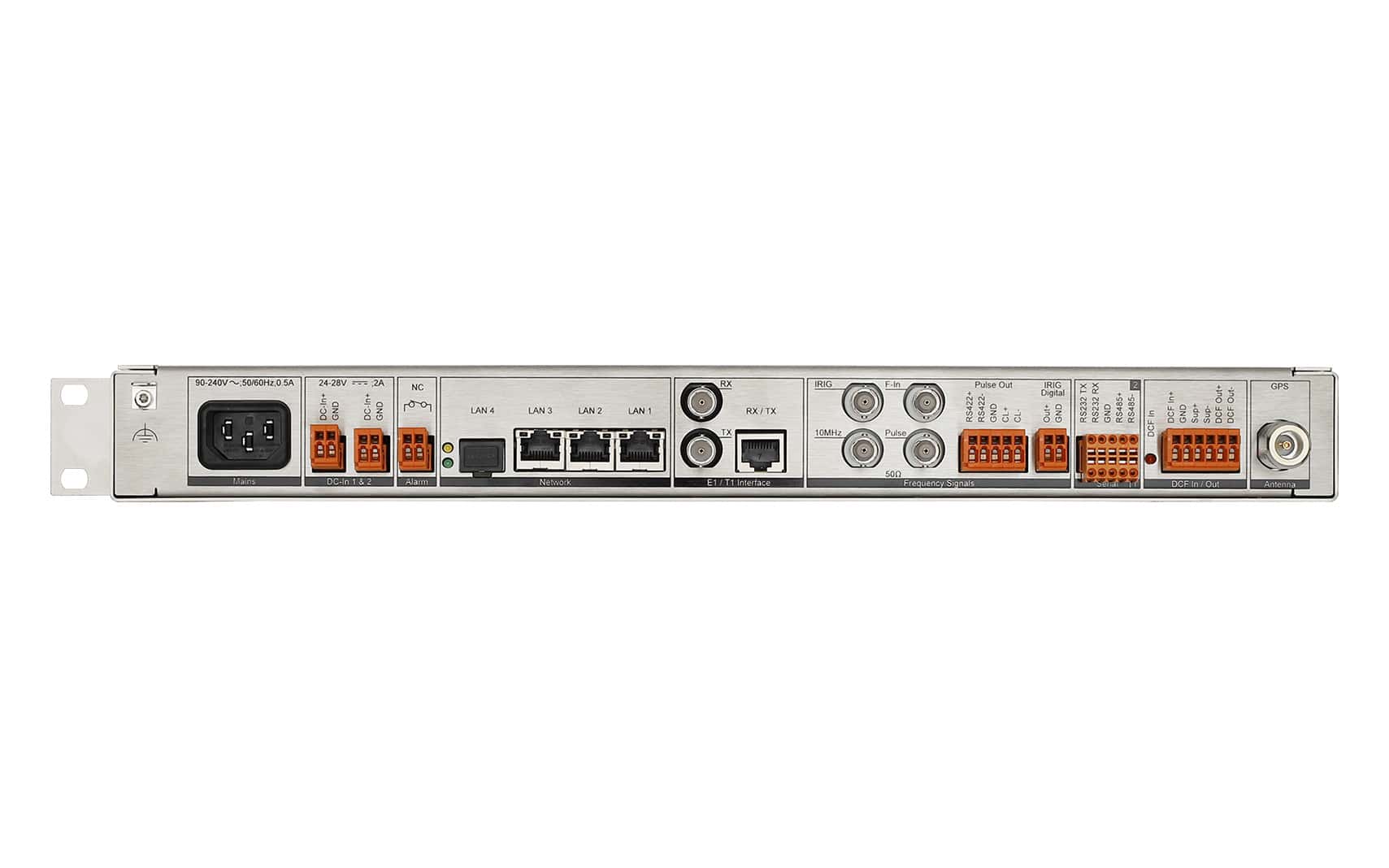
Le DTS 4160 prend en charge les sorties legacy telles que IRIG, E1, DCF, etc.

Afficher plus
Type d'oscillateur :Rubidium / OCXO
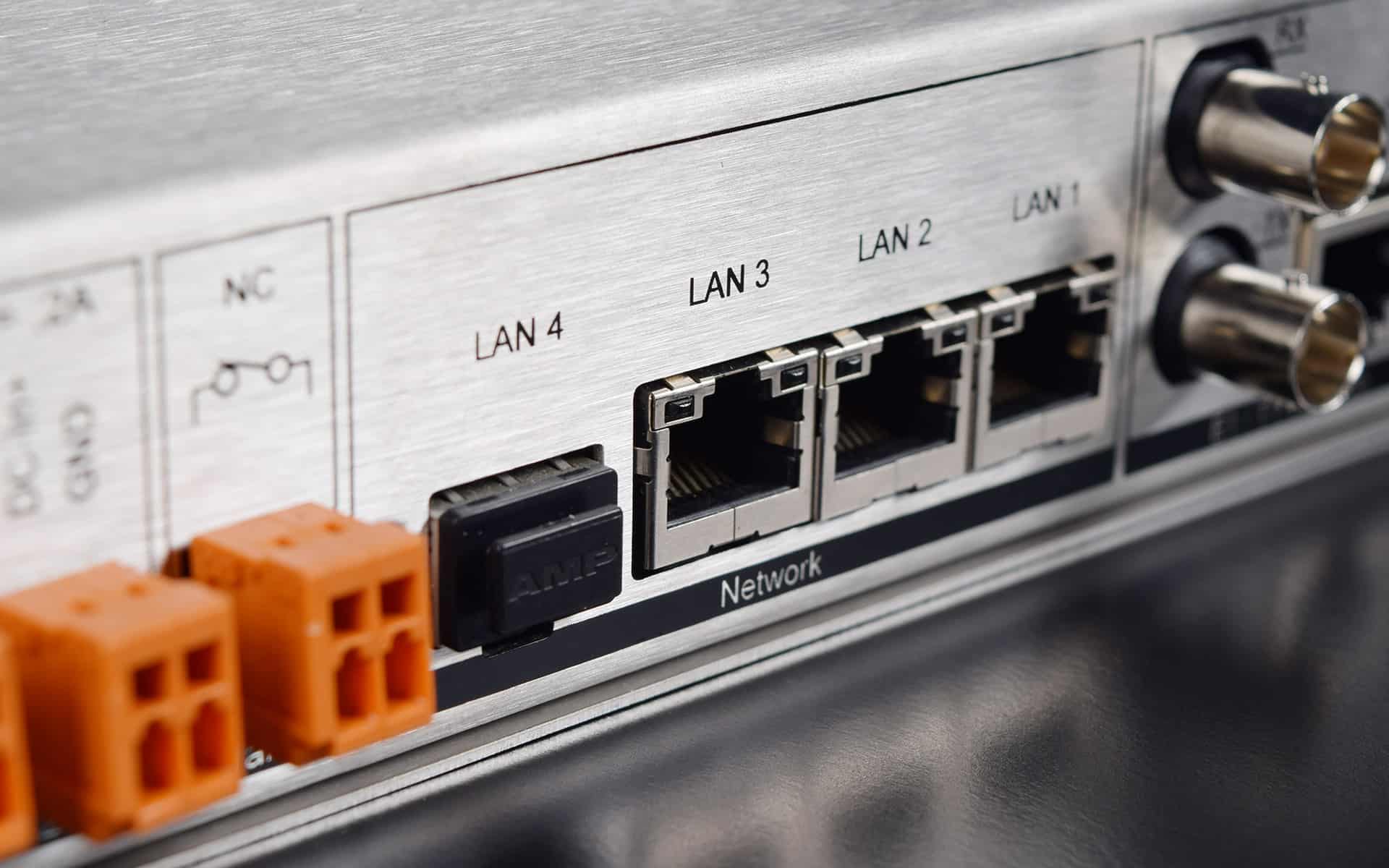
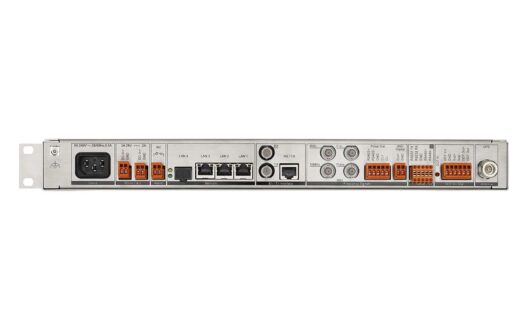
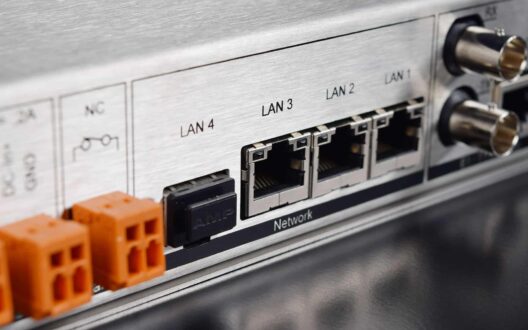
4 ports LAN complètement séparés (3x RJ45, 1x SFP) :fournit PTP sur 3 ports - maître ou esclave en 1 et 2 étapes, différents profils et domaines par port, multicast/unicast, IPv4/IPv6/Couche 2, fournit NTP sur 4 ports (<10'000 requêtes/s sur les 4 ports combinés)
Sorties :1x E1 RJ48 (symétrique) ou BNC (asymétrique), 2x sorties impulsion/fréquence/10MHz, 1x IRIG-B / AFNOR, 2x sortie série, 1x sortie boucle de courant DCF
Heure de haute précision :Réception de l'heure du GPS, du GLONASS ou de Beidou, de l'oscillateur GPS (GPSDO)
Redondance :fonctionnement maître-esclave avec commutation automatique en cas d'erreur
Afficher plus
Configuration IPDHCP, DHCPv6, IP statique, Autoconfiguration
Alimentation électrique90-240 VAC ou 80-240 VDC, 0,5 A ; 2x 24-28 VDC, 2 A (redondant, surveillé)
PrécisionGNSS vers temps interne : < +/- 30 ns, connexion redondante vers temps interne : < +/- 50 ns, PTP vers temps interne : < +/- 200 ns, DCF vers temps interne (avec GNSS 4500) : < +/- 200 ns (après compensation du décalage du point d'origine)
FonctionnementMOBA-NMS, Telnet, SSH, SNMP (V1/V2c/V3 get, put), RS 232 (terminal)
Afficher plus

Both, PTP and NTP provides time synchronization over a packet based network. But not both protocols are dedicated to the same application fields. It depends on the system’s needs, which of the protocol is preferred.

PTP is needed where a higher level of precision is required (e.g. Telecom, Power distribution, Air traffic control etc.) With PTP sub microsecond or even nanosecond accuracies are feasible, whereas NTP only reaches millisecond level. The key of PTP is hardware timestamping. Only if the timestamping happens close to the wire, it is possible to reach this high level of accuracy. The drawback of it is the need for dedicated hardware and an engineered network.

NTP is an old Internet protocol which is still widely used to distribute time (e.g. clock systems or IT Networks). NTP provides a simple way to synchronize all device over a regular network and even over internet. To ensure a reliable time in a local network, the best solution is to place an NTP server, which is connected to a GNSS Antenna, into the network. Whereas time is needed for clocks, access control systems and other such systems the accuracy of NTP is sufficient. The benefit of NTP is it’s robustness and it’s ability to run on a standard IT equipment.

If you need further information on this topic, please do not hesitate to contact us. We would be pleased to support you.

PTP is the « Precision Time Protocol », which is defined in IEEE 1588. In contrast to NTP, this is a network protocol, which is characterized by significantly higher accuracies (down to the nanosecond range) and is usually used in locally limited networks (e.g. measurement / control / regulation technology, automation technology, etc.).


In the foreground is not the absolutely correct time information, but rather the high-precision “clocking” of interconnected devices in such industrial or computer networks. In connection with the PTP network organization and clock types, one speaks initially of Grandmaster Clocks (best possible reference device) and Boundary Clocks (devices with master and slave function), whose role distribution is determined using the best Master Clock algorithm. On the other hand, clearly defined roles are assigned to the ordinary clocks (either as master or clients), so-called transparent clocks then only forward the PTP time stamp when corrected. The runtime correction is ensured using complex computing algorithms. So it is not the case that one procedure is to be replaced by the other: NTP and PTP have different functional focuses, which is why both will continue to have authorization in the future and can also be used in parallel in computer networks if necessary.