
Serveur de temps NTP - NTS

Serveur de temps NTP - NTS

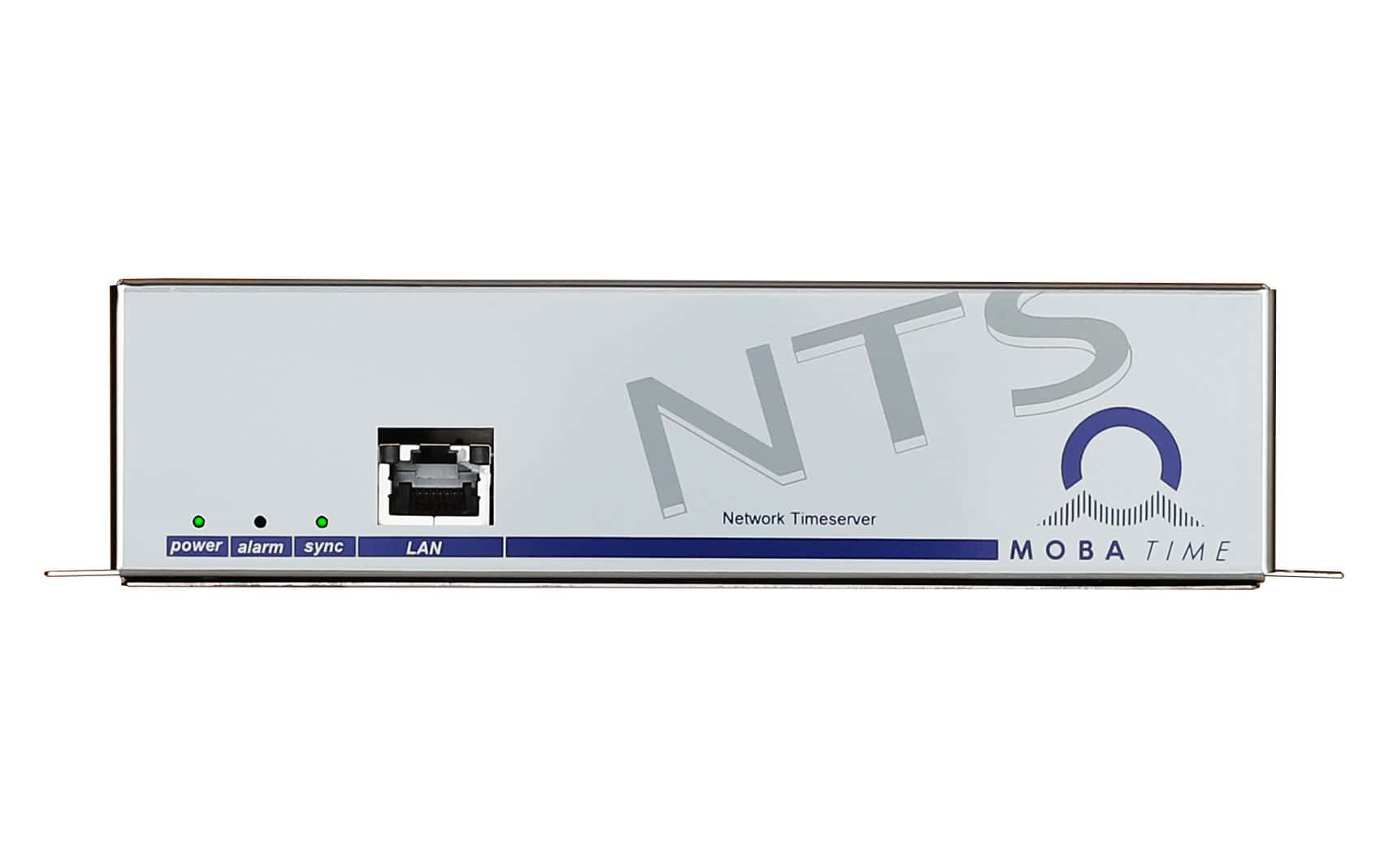
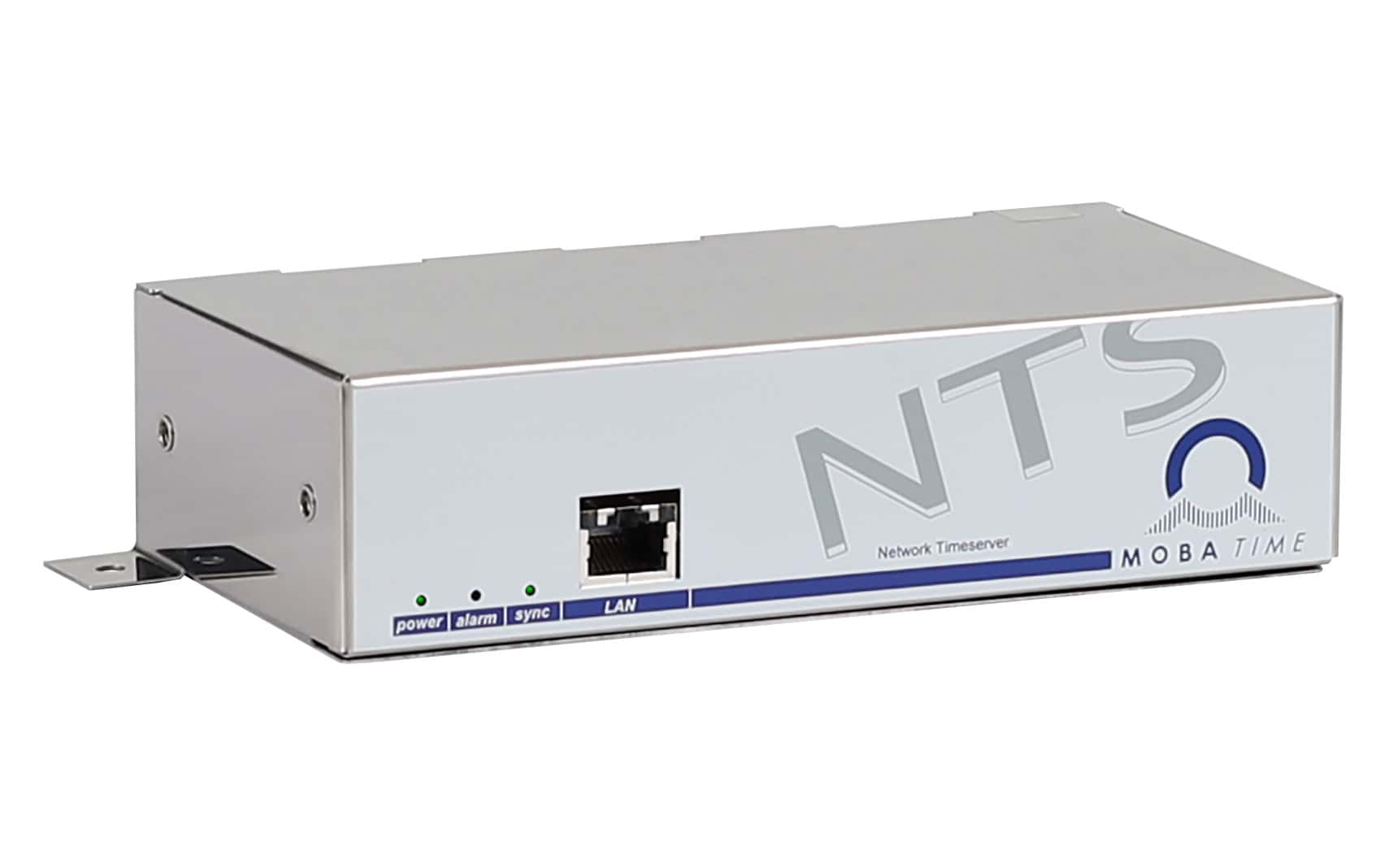
NTS est un serveur de temps destiné à être utilisé dans des environnements de réseau. Il peut être synchronisé par NTP, mais aussi agir en tant que serveur NTP. En outre, il peut lire l’heure à partir d’un DCF ou d’un GPS (par exemple, un GPS 4500). La version NTS IT garantit une sécurité de fonctionnement maximale pour la synchronisation temporelle des systèmes informatiques.

Type d'oscillateur :XO
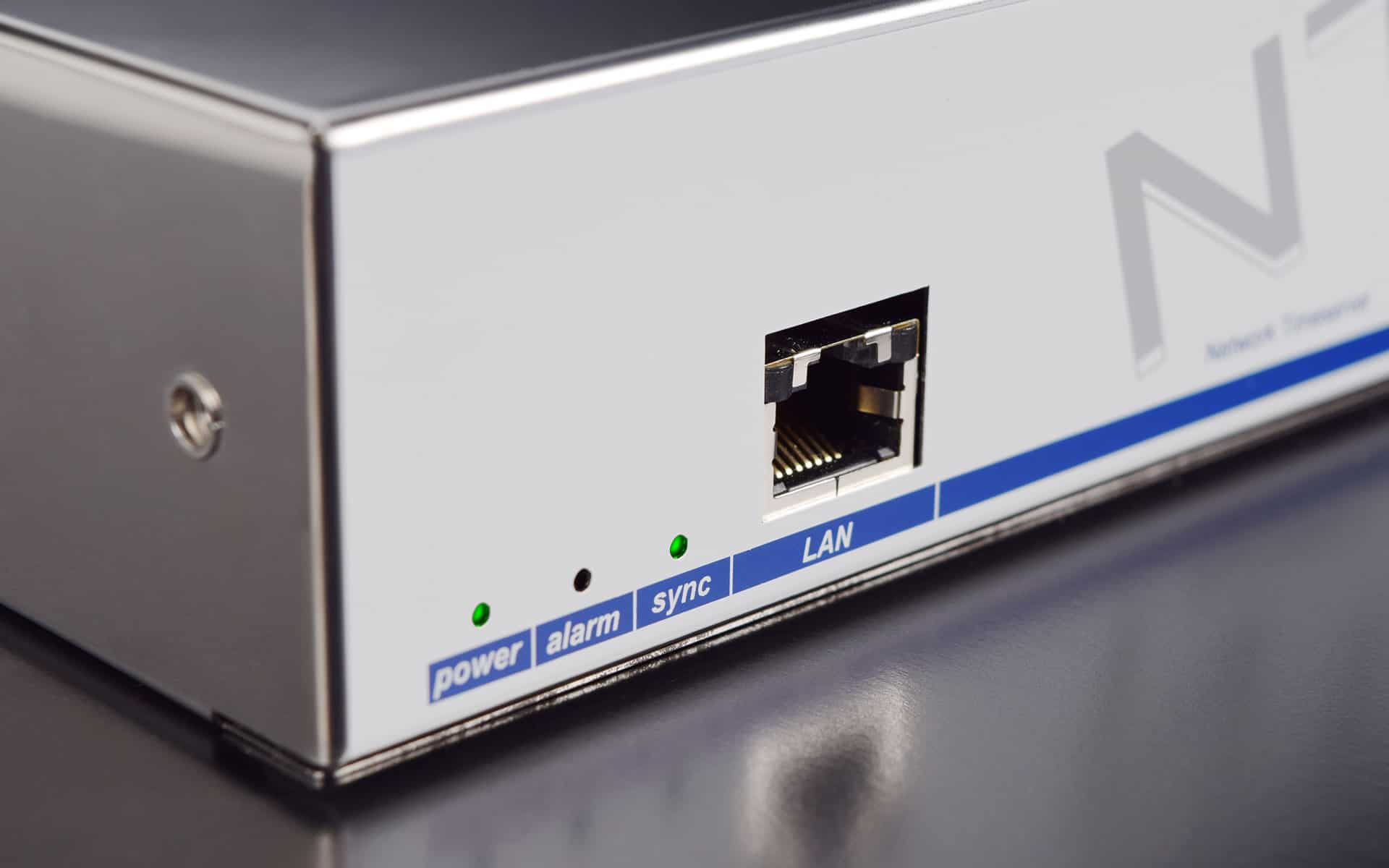
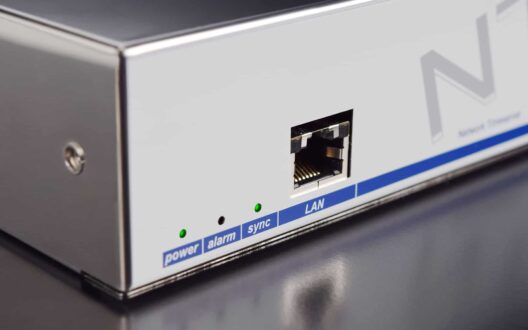
1 port LAN (RJ45) :fournit NTP (< 250 requêtes/s)
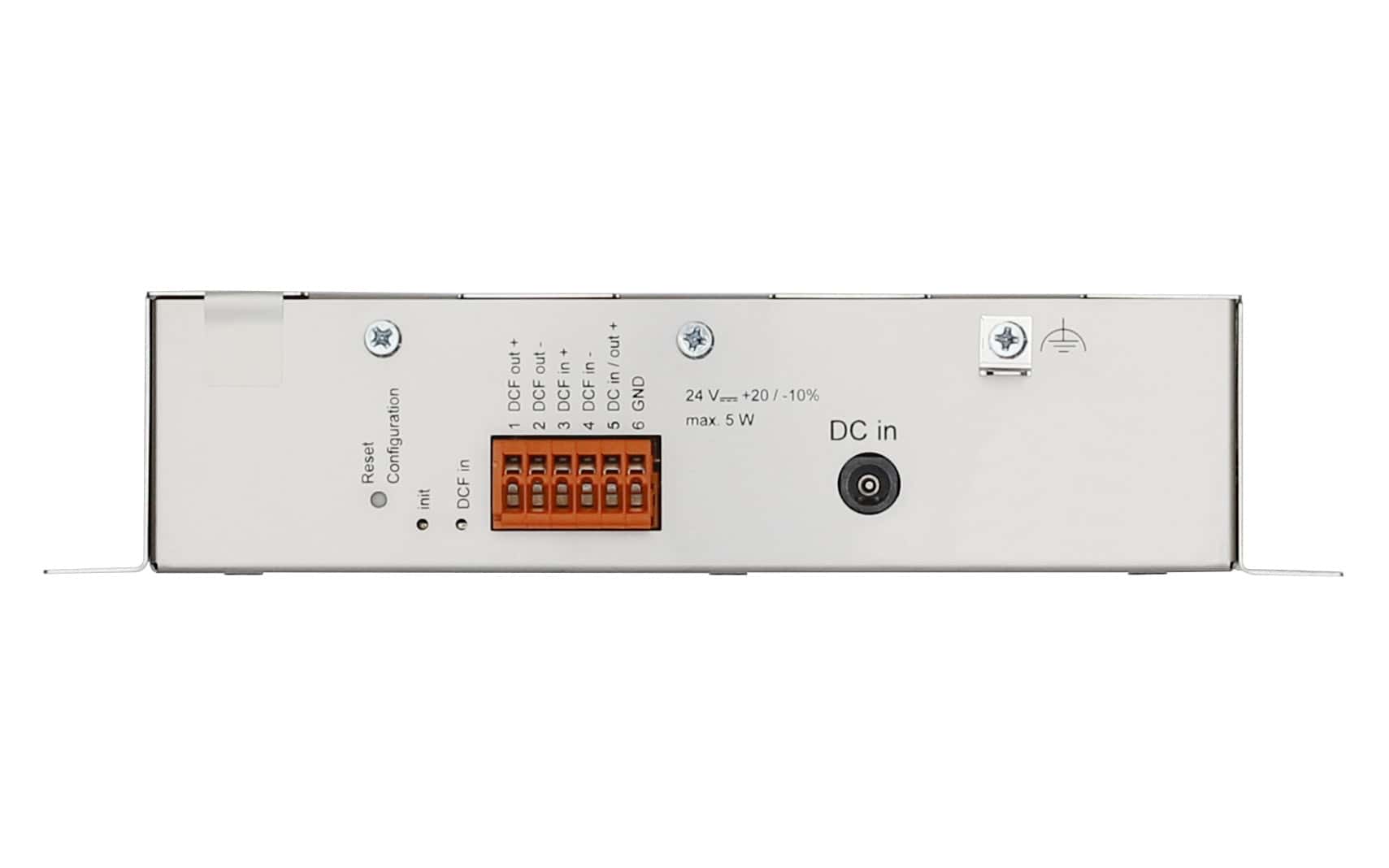
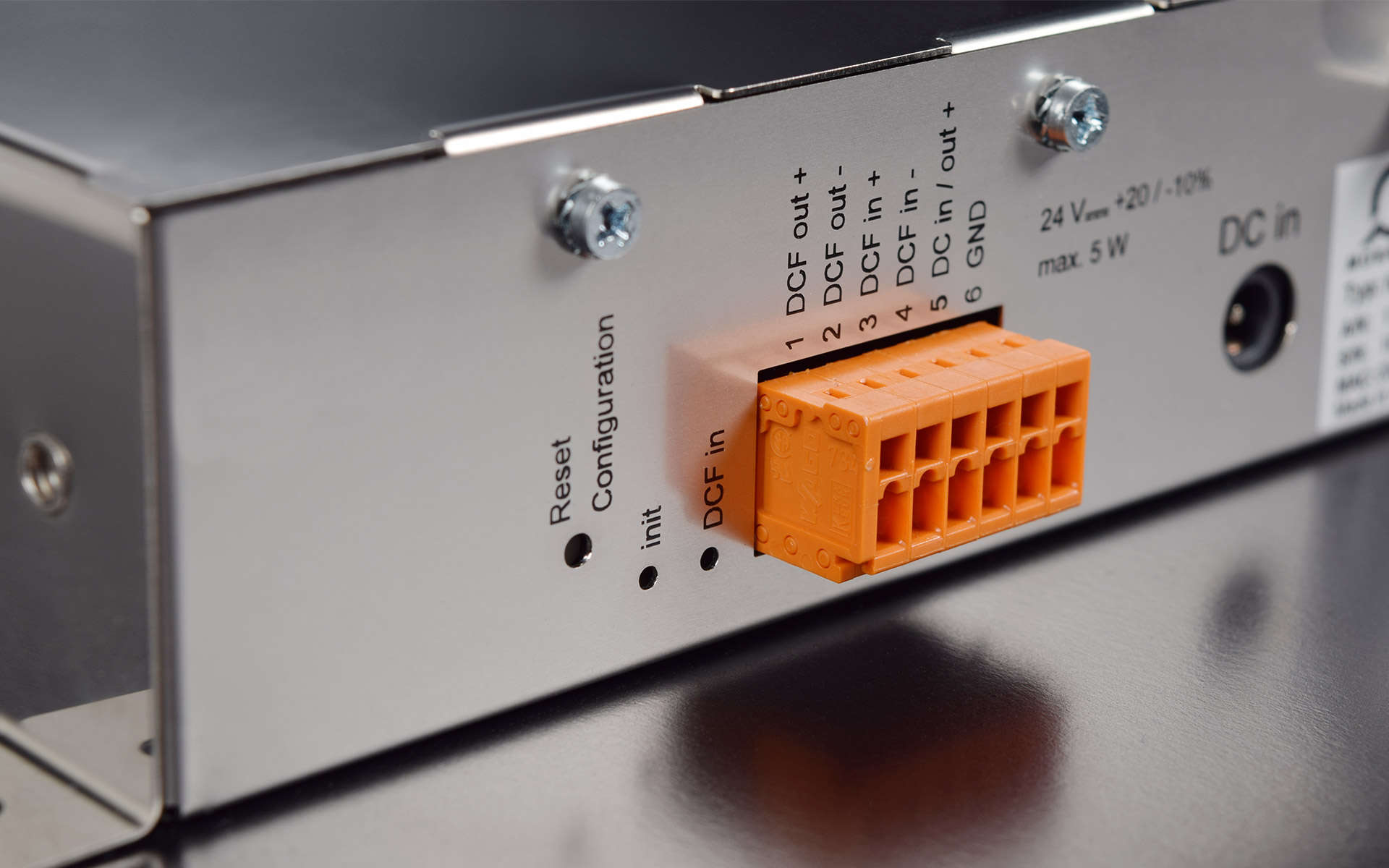
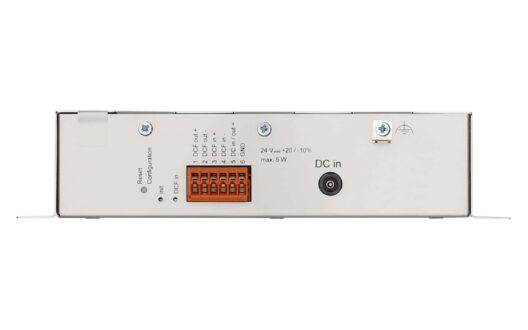
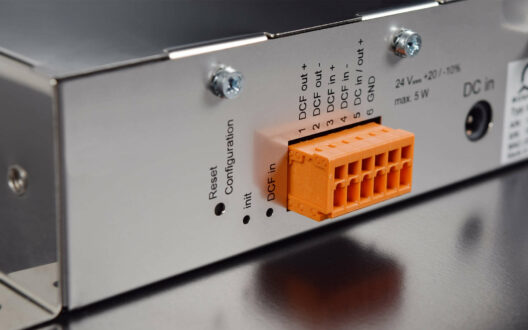
Sorties :1x sortie boucle de courant DCF
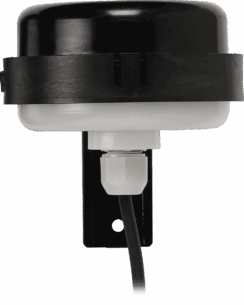
Heure de haute précision :Réception de l'heure du GPS ou du DCF
Fonctionnement :via Web-Interface
Afficher plus
Configuration IPIPv4 : IP statique ; IPv6 : DHCPv6, autoconfiguration, IP statique
Alimentation électriqueAlimentation secteur externe incluse dans la livraison 100 - 240 VAC / 50-60 Hz / max. 12 W ou 24 - 28 VDC / 200 mA
PrécisionGPS (entrée DCF) au serveur NTP = typiquement < ± 0,5 ms
FonctionnementTelnet ou SSH, interface web ou fonctionnement via SNMP
Le chronométrageRTC avec maintien de l'heure pendant min. 5 jours (sans pile)
Afficher plus
Serveur de temps réseau NTS


GNSS stands for Global Navigation Satellite System, and is an umbrella term that encompasses all global satellite positioning systems. This includes several constellations of satellites orbiting over the earth’s surface and continuously transmitting signals providing an autonomous geo-spatial positioning with global coverage.

The GPS constellation (developed and controlled by the USA) is still the most widely used GNSS in the world but major countries have now developed their own constellation: Glonass (Russia), Beidou (China), and Galileo (Europe) with improved accuracy

GNSS is used in collaboration with GPS systems where all GNSS receivers are compatible with GPS, but GPS receivers are not necessarily compatible with GNSS.

A GPS receiver has been designed to receive the GPS constellation only (24 satellites) when GNSS-compatible equipment can use navigational satellites from other networks (each network is controlling between 24 and 30 satellites). It is therefore recommended to use GNSS receivers for positioning and timing applications.

SNTP (Simple Network Time Protocol) and NTP (Network Time Protocol) are describing exactly the same network package format, the differences can be found in the way how a system deals with the content of these packages in order to synchronize its time. They are basically two different ways of how to deal with time synchronization.


While a full featured NTP server or -client reaches a very high level of accuracy and avoids abrupt timestamps as much as possible by using different mathematical and statistical methods and smooth clock speed adjustments, SNTP can only be recommended for simple applications, where the requirements for accuracy and reliability are not too demanding.


By disregarding drift values and using simplified ways of system clock adjustment methods (often simple time stepping), SNTP achieves only a low quality time synchronization when compared with a full NTP implementation. SNTP version 4 is defined in RFC2030, where it reads:


« It is strongly recommended that SNTP be used only at the extremities of the synchronization subnet. SNTP clients should operate only at the leaves (highest stratum) of the subnet and in configurations where no NTP or SNTP client is dependent on another SNTP client for synchronization. SNTP servers should operate only at the root (stratum 1) of the subnet and then only in configurations where no other source of synchronization other than a reliable radio or modem time service is available. The full degree of reliability ordinarily expected of primary servers is possible only using the redundant sources, diverse subnet paths and crafted algorithms of a full NTP implementation. »


Therefore the term « NTP time server » or « NTP compatible client » can – by definition – describe a system with a fully implemented NTP as well as any other product which uses and understands the NTP protocol but achieves far worse levels of reliability, accuracy and security.